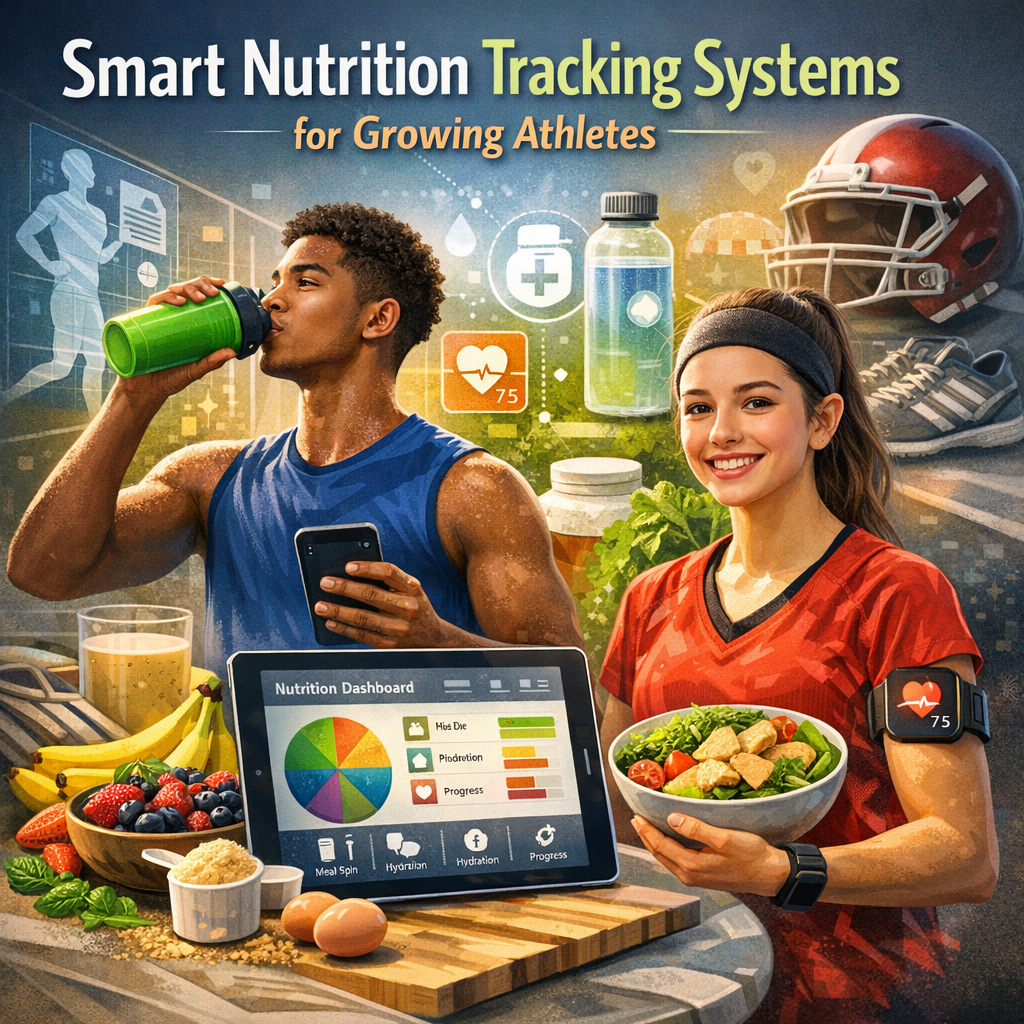
Smart Nutrition Tracking Systems for Growing Athletes
In the high-stakes world of youth sports, where competition starts early and the road to excellence demands more than just talent and hard work, nutrition is a vital component that can make or break the aspiring athlete. For parents of means investing in the promising athletic careers of their young ones, ensuring proper nutrition is as pivotal as training and coaching. Enter smart nutrition tracking systems—high-tech solutions tailor-made to ensure optimal nutrient intake, bolster performance, and support overall health. The digital age offers a plethora of sophisticated tools designed to help manage and monitor the dietary needs of growing athletes accurately.
Parents today are facing a unique landscape: the intersection of cutting-edge technology and high-performance athletics. Gone are the days of manual food journals and guesswork in meal planning. Instead, smart nutrition tracking systems use data-driven techniques to personalize nutrition plans, helping to precise-calibrate dietary intake with an athlete’s specific energy demands, recovery needs, and growth stages. These advanced systems offer comprehensive insights and real-time adjustments, allowing families to maintain a competitive edge while ensuring health and safety.
Beyond mere calorie counting, these smart systems are equipped with features such as macronutrient analysis, hydration tracking, and dietary sensitivity configurations. Some also offer comprehensive meal plan suggestions and grocery list generation, all tailored to the unique profiles of young athletes. Parents can now work with nutritionists and dietitians who utilize these technologies to ensure the alignment of dietary plans with their children’s sport-specific requirements. This collaboration results in a holistic approach to athletic development, underscoring the significance of precision nutrition in achieving peak performance. Furthermore, by integrating wearable technology, these systems can track performance metrics and adjust dietary recommendations dynamically, constantly aligning with the athlete’s evolving needs.
In a world where every micro and macro decision can potentially impact a child’s athletic trajectory, smart nutrition tracking systems emerge as an indispensable ally in a parent’s toolkit. Prioritizing the nutritional front is no longer a supplemental choice but a core strategy for nurturing young talent.
Features
Recent research underscores the importance of appropriate nutrition in the development and performance of young athletes. A study published in the *[Journal of the International Society of Sports Nutrition](https://jissn.biomedcentral.com/)* highlights that a well-balanced diet significantly impacts an athlete’s performance and recovery times. Key nutrients such as carbohydrates, proteins, fats, vitamins, and minerals play an essential role in energy provision, muscle repair, bone health, and cognitive function—all critical for the growing athlete.
Smart nutrition tracking systems incorporate findings from studies like these, offering a robust evaluation platform for nutrient intake. For example, the integration of Artificial Intelligence (AI) and machine learning allows these systems to adapt dietary recommendations based on ongoing performance data and biometrics. As noted in a study from *[Frontiers in Nutrition](https://www.frontiersin.org/journals/nutrition)*, the application of AI can refine diet plans to optimize body composition, enhance endurance, and prevent injuries among athletes.
Additionally, medical professionals have found value in using nutrition tracking systems to support individualized dietary assessments. A collaboration study between pediatricians and sports nutritionists, published in the *[American Journal of Clinical Nutrition](https://academic.oup.com/ajcn)*, demonstrates that personalized nutrition plans, achievable through digital tracking solutions, greatly enhance dietary compliance and effectiveness over generic dietary advice.
Moreover, these systems also emphasize the psychological impact of nutrition in sports. By empowering young athletes with tangible data on how their nutritional choices influence their performance and recovery, these systems foster healthier relationships with food and body image. According to a study in the *[Journal of Sports Sciences](https://www.tandfonline.com/toc/rjsp20/current)*, understanding the science of nutrition encourages athletes to make informed dietary decisions, boosting their confidence both on and off the field.
These findings solidify the role of smart nutrition tracking systems as not only facilitators of optimal physical performance but also as critical components in ensuring the holistic wellbeing of athlete-minded youth.
Conclusion
Embracing the potential of smart nutrition tracking systems offers parents an opportunity to tailor their growing athletes’ diets to meet the demands of their training and competition. By leveraging the latest technology and research in sports nutrition, parents can ensure their children receive the precise nutrients needed to excel, paving the way for future success both in sports and in life.

Dominic E. is a passionate filmmaker navigating the exciting intersection of art and science. By day, he delves into the complexities of the human body as a full-time medical writer, meticulously translating intricate medical concepts into accessible and engaging narratives. By night, he explores the boundless realm of cinematic storytelling, crafting narratives that evoke emotion and challenge perspectives. Film Student and Full-time Medical Writer for ContentVendor.com