The Silent Influence: How Micro-Meditation Rooms for Kids Boost Elite Cognitive Performance
Introduction
In the fast-paced, technology-driven world we live in today, the stress experienced by adults often trickles down to our children. Children, though resilient, are not immune to the pressures of academic performance, social integration, and extracurricular excellence. For parents of means, providing an environment that fosters healthful development and peak performance is paramount. Enter the concept of micro-meditation rooms for kids—an innovative approach that combines wellness with cognitive enhancement. These miniature sanctuaries, meticulously designed to cater to young minds’ unique needs, are becoming increasingly popular among affluent families seeking to give their children a distinct edge.
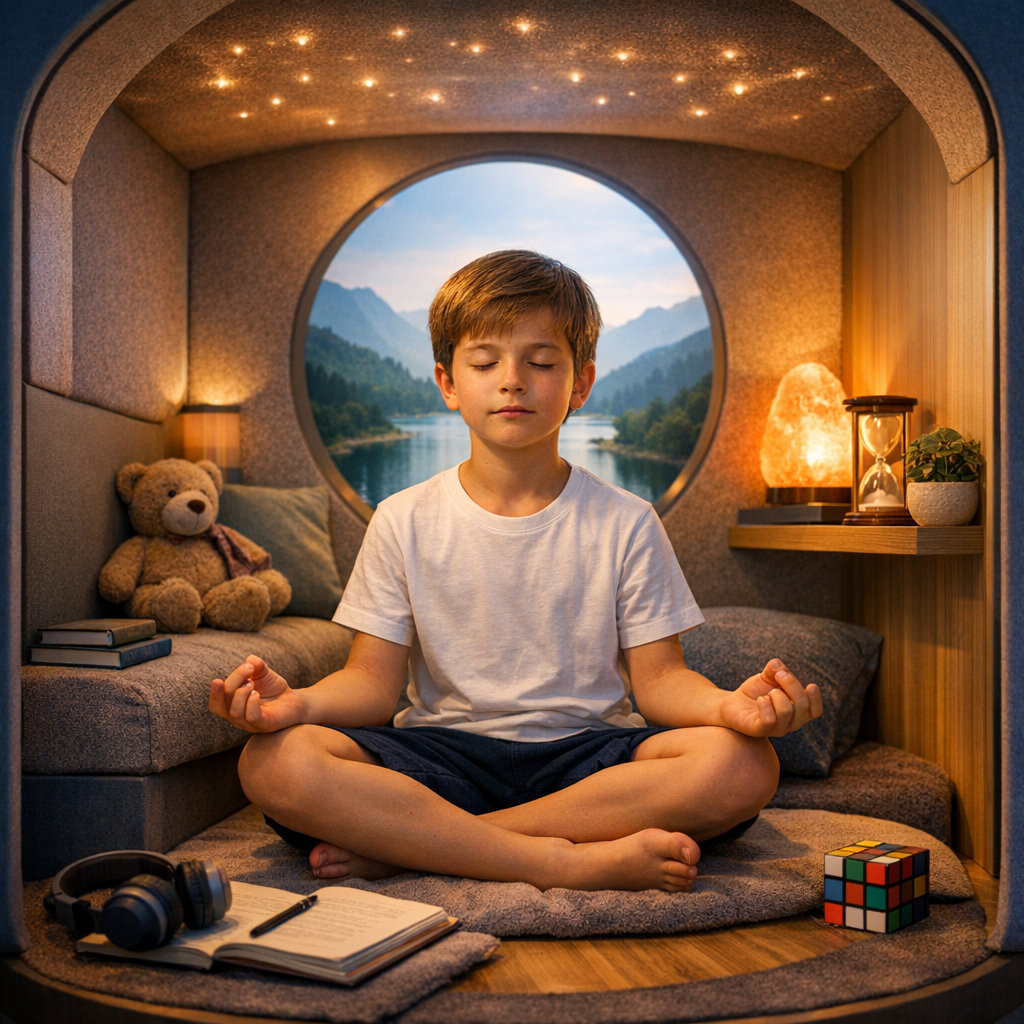
Micro-meditation rooms are compact, tranquil spaces carefully curated to encourage mindfulness, relaxation, and self-awareness. Unlike traditional meditation rooms, these spaces are specifically adapted for children, offering age-appropriate amenities and designs. They create a quiet refuge where children can step away from external stimuli, fostering a momentary escape to recalibrate their minds.
Incorporating elements like soft lighting, comfortable seating, gentle music, and tactile textures, micro-meditation rooms aim to provide a multisensory experience. The goal is to aid children in achieving a state of calmness and enhanced focus, which holds the potential to improve their cognitive abilities drastically. Recent trends suggest an increasing recognition of mindfulness practices among elite educational institutions worldwide, indicating a growing understanding of their importance in holistic education.
Parents who invest in these spaces recognize the silent influence they can have on their children’s cognitive performance. Beyond merely serving as a tranquil escape, these rooms are a testament to progressive parenting where mental health and cognitive prowess are intertwined. With a more focused, stress-free mindset, children are better positioned to excel academically and socially, equipping them with invaluable skills for future challenges.
Features
The benefits of meditation for both adults and children have been documented in numerous studies. For instance, research published in the journal Psychological Science found that brief mindfulness training significantly improved cognitive function in undergraduate students. Though the study focused on adults, its insights have inspired further exploration into the impacts of meditation on younger populations.
Furthermore, a study conducted by the University of California, Davis revealed that regular mindfulness practice improved attention stability and reduced stress in participants. These findings support the notion that mindful practices can cultivate essential skills like focus and emotional regulation—attributes that are vital for cognitive development in children. The rationale for micro-meditation rooms is that early integration of these practices can instill lifelong benefits.
Educators and psychologists are also increasingly advocating for mindfulness in school curriculums. For instance, the MindUP program, developed by the Goldie Hawn Foundation, has been implemented in schools with promising results. Teachers reported improved attention, increased empathy, and a more positive classroom climate, showing the transformational potential of mindfulness in educational settings.
The application of these principles in a home environment, through micro-meditation rooms, can extend these benefits beyond the classroom. The private nature of these spaces allows for tailored experiences that can adapt to an individual child’s preferences and needs. By including features like guided meditation apps specifically for children, interactive art walls, and personalized scent therapy, these rooms can become a personal haven of relaxation and recharging.
Additionally, neuroscience supports the utility of meditation at a young age. Studies indicate that meditation activates regions of the brain associated with executive functions, such as the prefrontal cortex. This activation can lead to improved problem-solving skills, better memory retention, and enhanced creativity. These cognitive benefits, coupled with emotional balance, can pave the way for children to achieve their full potential.
Conclusion
The integration of micro-meditation rooms in homes represents a thoughtful approach to child development. By offering a space dedicated to mindfulness and relaxation, parents are not just addressing current wellbeing but are investing in their children’s future mental and cognitive prowess. As this trend continues to grow, it is clear that the silent influence of these tranquil spaces holds the potential to boost elite cognitive performance, providing children with the tools they need to succeed in an ever-demanding world.
References
1. Psychological Science
2. University of California, Davis Study
3. MindUP Program

Dominic E. is a passionate filmmaker navigating the exciting intersection of art and science. By day, he delves into the complexities of the human body as a full-time medical writer, meticulously translating intricate medical concepts into accessible and engaging narratives. By night, he explores the boundless realm of cinematic storytelling, crafting narratives that evoke emotion and challenge perspectives. Film Student and Full-time Medical Writer for ContentVendor.com